An oil leak — no matter how small — should never be ignored. What starts as a few drops can escalate into a major problem, leading to low oil levels, increased wear, environmental contamination, and even fire risk. Understanding common causes helps you address leaks quickly and effectively.
Common Causes of Oil Leaks
1. Degraded Valve Cover Gasket: The most common source of oil leaks, especially in older vehicles. Heat cycles cause the rubber gasket to harden and crack over time. Replacement is relatively straightforward and inexpensive.
2. Oil Pan Gasket: Located at the bottom of the engine, the oil pan gasket can deteriorate or be damaged by road debris. Leaks here are often visible as drips directly beneath the engine.
3. Oil Filter: A loose, damaged, or incorrectly installed oil filter is a frequent culprit. Always ensure the old gasket is removed before installing a new filter, and tighten by hand only.
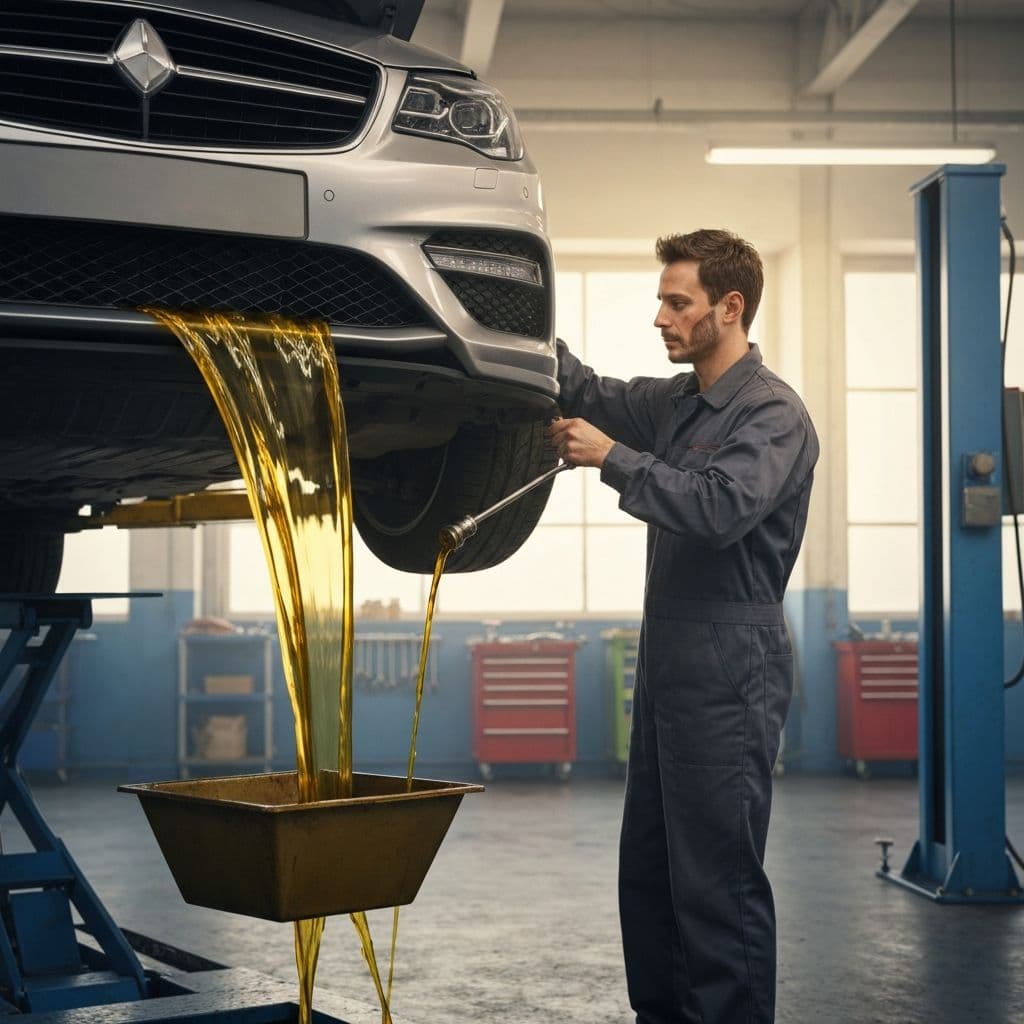
4. Drain Plug: Over-tightening or using the wrong gasket can damage the drain plug threads or sealing surface. Using a torque wrench and replacing the crush washer at each oil change prevents this issue.
5. Front and Rear Main Seals: These crankshaft seals can leak as they age. Rear main seal replacement is particularly labor-intensive as it often requires transmission removal.
6. Timing Cover Gasket: On engines with timing chains, the timing cover gasket can develop leaks that are sometimes mistaken for other sources.
Diagnosis Tips: - Clean the engine thoroughly, then monitor for fresh oil appearance - Use UV dye added to the oil with a UV light to trace leak paths - Check oil level regularly — a significant drop indicates a serious leak - Note the leak location: front, rear, top, or bottom of engine
When to Seek Professional Help: Minor leaks from valve covers or oil filters can often be addressed by experienced DIY mechanics. However, main seal replacements, timing cover repairs, and leaks from internal engine components should be handled by qualified technicians.
Using quality lubricants like i-GlooOil products helps minimize seal degradation by maintaining proper seal conditioning additives throughout the oil's service life.