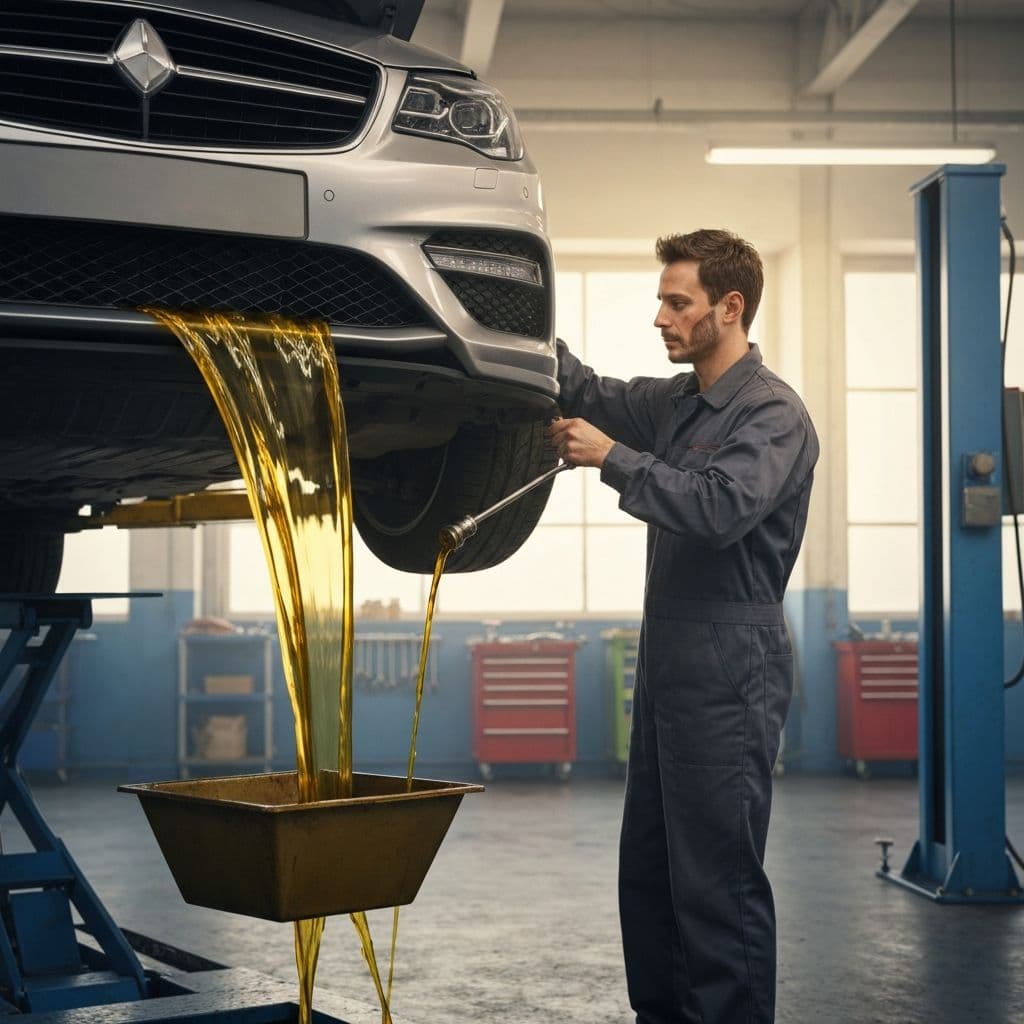
يعيد النمو السريع للمركبات الكهربائية تشكيل صناعة السيارات، ويتحوّل معها قطاع زيوت التشحيم. فالكهربائي يلغي الحاجة إلى زيت المحرك التقليدي، لكنه يخلق احتياجات تشحيم جديدة تمامًا.
ماذا تحتاج المركبة الكهربائية
1. سوائل لناقلات الحركة الكهربائية: تتطلب المحركات الكهربائية ومخفّضاتها زيوت تشحيم خاصة، توفّر: - خصائص عزل كهربائي ممتازة - توافقًا مع ملفّات النحاس ومع الإلكترونيات - تبديدًا جيدًا لحرارة المحركات والعواكس - لزوجة منخفضة، لأقصى كفاءة - عمر تشغيل طويلًا، غالبًا طوال عمر المكوّن
2. سوائل الإدارة الحرارية: حرارة البطارية حاسمة للأداء والعمر. والتبريد بالغمر المباشر بسوائل عازلة كهربائيًا يفرض نفسه كتقنية مفتاحية، ويتطلب تركيبات جديدة.
3. شحوم للمكوّنات الكهربائية: حتى المركبة الكهربائية تحتاج شحمًا لمحامل العجلات والمفاصل متساوية السرعة والمفصّلات ومكوّنات الهيكل. لكن على هذه الشحوم أن تتوافق مع موادّ وظروف تشغيل مختلفة عن السابق.
المرور بالهجين: في مرحلة الانتقال تطرح المركبات الهجينة مسائل خاصة، لأنها تجمع متطلبات محرك الاحتراق ومتطلبات الدفع الكهربائي. وعلى زيوت التشحيم أن تتحمّل محركات تشتغل وتتوقف باستمرار وتعمل في حرارة أدنى من المعتاد.
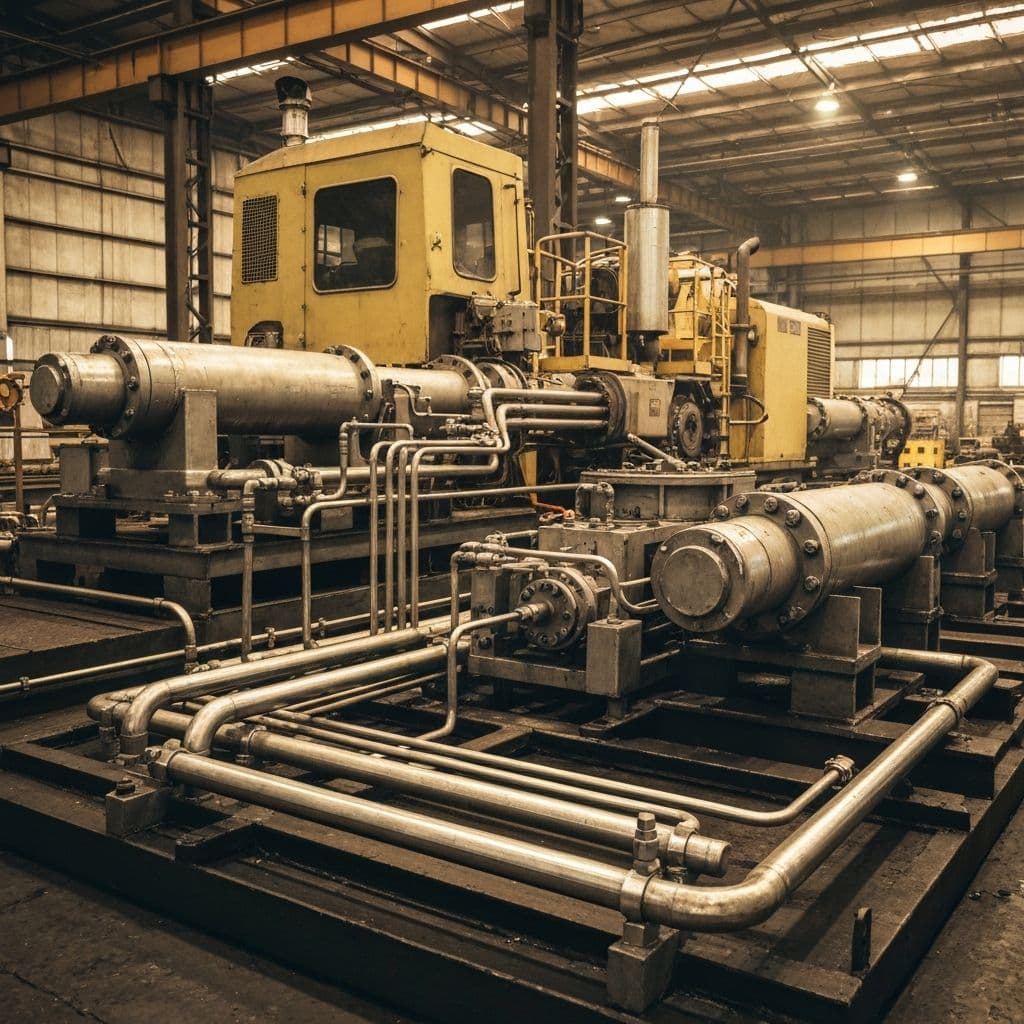
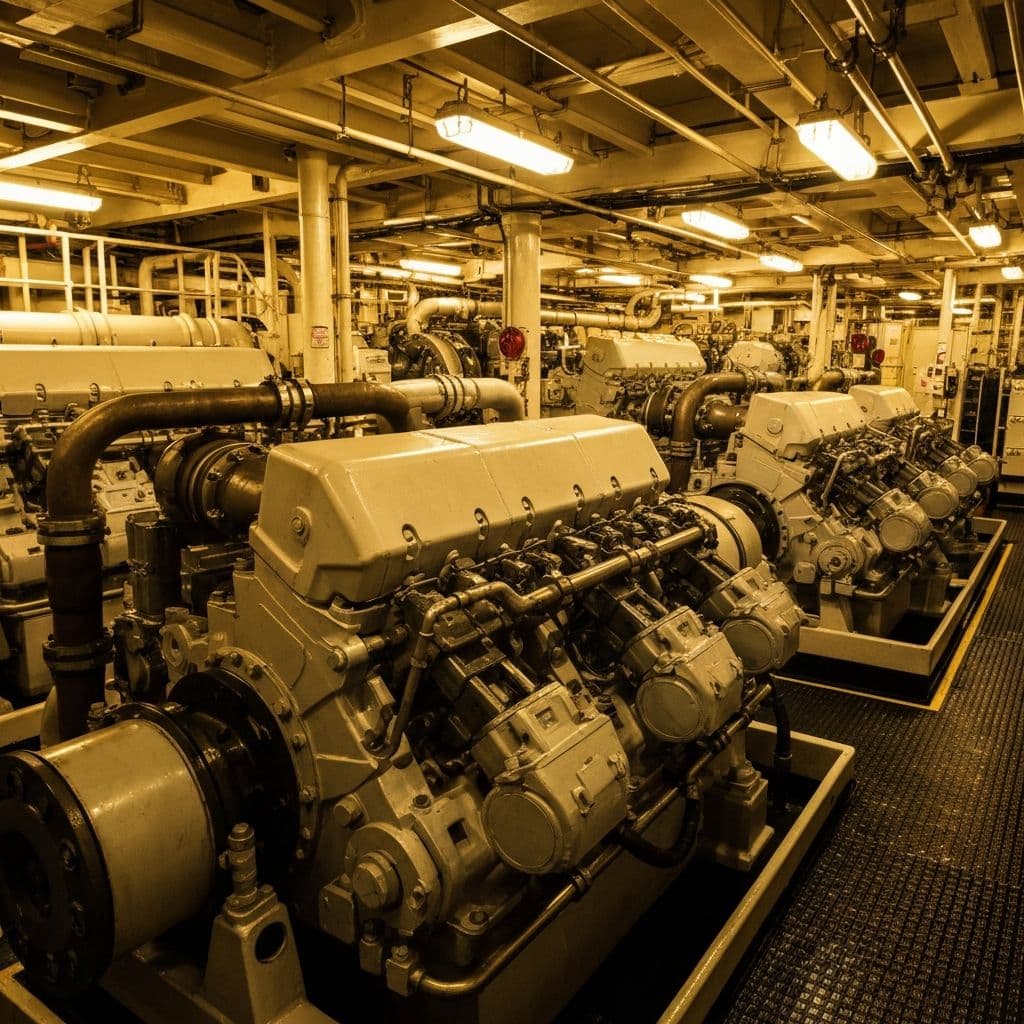
الصناعة والملاحة: بينما تتكهرب السيارات، ستظل الآلات الصناعية والسفن ومعدات المواقع والمركبات التجارية تعتمد على محركات الاحتراق والأنظمة الهيدروليكية لعقود. وهي قطاعات ستظل تطلب زيوت تشحيم متطورة.
في i-GlooOil نطوّر سوائل الجيل الجديد للمركبات الكهربائية والهجينة، وفي الوقت نفسه نواصل تطوير تشكيلتنا لملايين المحركات والآلات العاملة بالاحتراق التي ستبقى في الخدمة في السنوات المقبلة.