
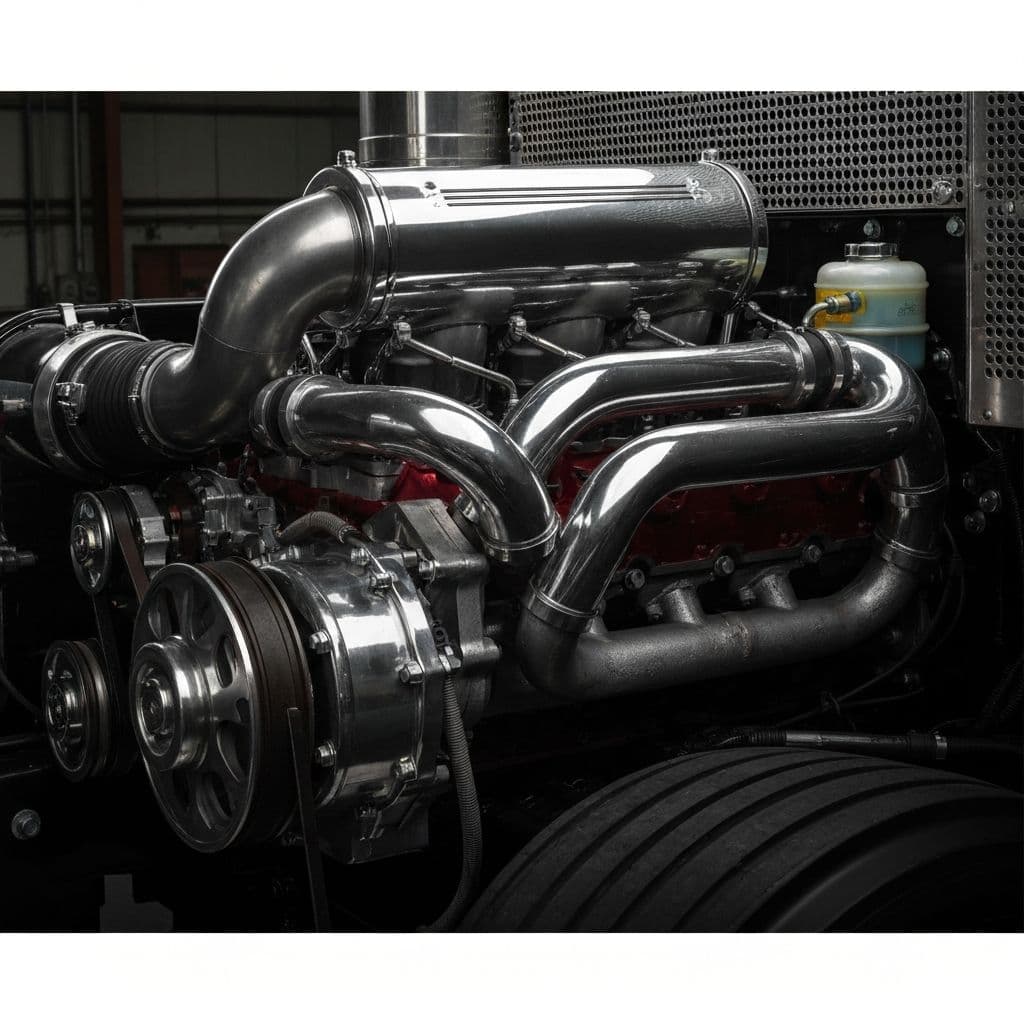
تعمل محركات الشوطين ومحركات الأشواط الأربعة وفق مبادئ مختلفة تمامًا، ومتطلبات تشحيمها مختلفة بالقدر نفسه. فهم الفرق بينهما أساسي: فاستعمال الزيت الخطأ قد يضرّ المحرك فورًا وبلا رجعة.
زيت محركات الأشواط الأربعة: في محرك رباعي الأشواط يدور الزيت في نظام مغلق منفصل عن غرفة الاحتراق. يُجمع في الكارتر، ويُضخّ عبر المحرك، ثم يُعاد إلى الدوران. على زيت الأشواط الأربعة أن: - يحافظ على اللزوجة لآلاف الكيلومترات - يقاوم الأكسدة والتدهور الحراري - يحتوي مضافات منظّفة ومشتّتة، لنظافة دائمة - يحمي من التآكل حتى مع فترات تغيير مطوّلة
زيت محركات الشوطين: في محرك الشوطين يُمزج الزيت بالوقود، مسبقًا أو بالحقن، ويحترق معه. لذلك عليه أن: - يمتزج بسهولة بالوقود ويبقى معلّقًا - يحترق نظيفًا، تاركًا أقل قدر من الرماد والرواسب الكربونية - يشحّم بأقصى قدر في مرور واحد، لأنه لا يعاد تدويره - يحمي من الصدأ والتآكل في فترات التوقف - يكون متوافقًا مع المحوّلات الحفازة وأنظمة العادم
تصنيفات زيوت الشوطين: - JASO FA/FB/FC/FD: المعايير اليابانية لزيوت الدراجات النارية - ISO-L-EGB/EGC/EGD: المعايير الدولية المقابلة لدرجات JASO - TC-W3: للمحركات البحرية الخارجية ثنائية الشوط المبرّدة بالماء - API TC: تصنيف عام للشوطين، تجاوزته اليوم معايير JASO إلى حد بعيد
تضم تشكيلة i-GlooOil زيوتًا مخصصة لمحركات الشوطين في الدراجات والسكوترات والمحركات الخارجية والتطبيقات الصناعية، إضافة إلى تغطية كاملة للأشواط الأربعة بكل الدرجات.